Blog
The Risk Gap Between Design and Construction
Author
Sarah Porter
Published
May 11, 2026
Category
4 min read
One of the things we spend a lot of time navigating is the transition between approved design and construction. Not because the design is flawed, but because there is still a significant layer of coordination, technical resolution and decision-making required before a project is truly ready to build. We recently shared some thoughts on what we often refer to as the “risk gap” between design and delivery, and the influence this phase can have on programme, buildability and final built outcome.
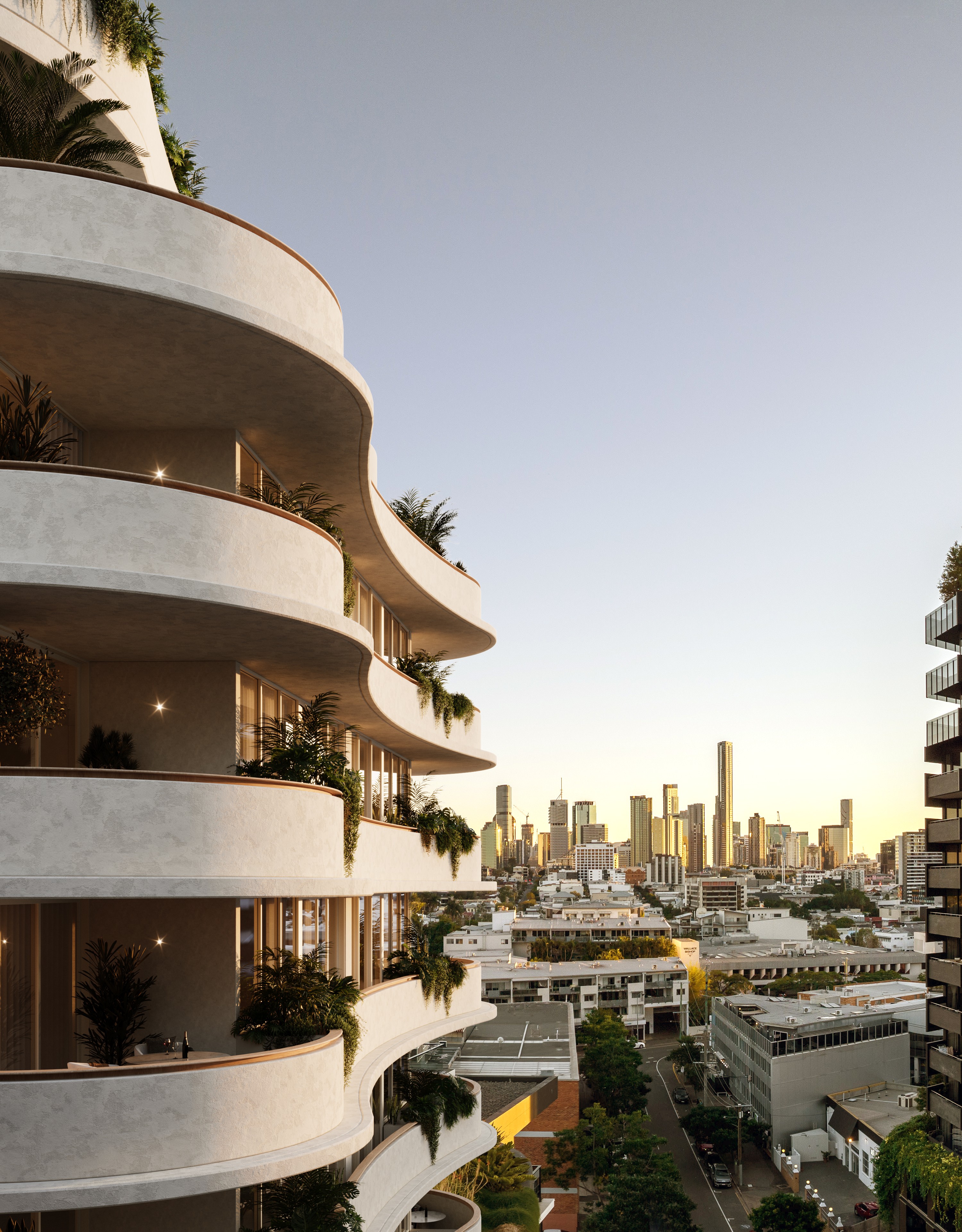
Over the past few years, we’ve become increasingly involved in projects transitioning from a design architect into delivery and construction phases with a different architectural team (us).
It’s a model we see regularly across Brisbane and the Gold Coast, particularly within multi-residential projects, and when handled well, it can produce incredibly strong outcomes. The early design thinking is protected, while the project benefits from a dedicated focus on coordination, documentation and delivery as it moves towards construction.
What we’ve also seen, however, is that there’s a very specific phase within that transition that carries more weight than most people realise.
The transition from design to delivery.
By the end of the DA phase, the design of a project often feels established.
The planning application is submitted, the overall vision is clear, and the building can appears resolved on paper.
In reality, though, this is the point where the project starts shifting from design intent into a buildable reality.
There is still a significant layer of work required between a project being approved and a building being ready for construction. Not because anything has gone wrong, but because many of the decisions that make a building function and perform over time haven’t yet been fully resolved.
This is the space we often refer to as the “risk gap”.
That risk gap isn’t made up of problems. It’s made up of decisions.
Decisions around how structure integrates with the architectural layout. How services are coordinated within ceilings and risers. How façades transition from concept into something that can be built efficiently and consistently. How junctions, thresholds and interfaces are detailed so they perform over time and still align with the design intent.
There are also layers of compliance, procurement and material reality that need to be tested beyond what is typically resolved at DA stage.
None of this is unusual. It’s simply the nature of moving from intent to reality.
Where risk starts to emerge is when this phase is compressed or rushed.
That’s when unresolved decisions begin to surface later, during construction, often showing up as RFI’s, variations and late design changes which can impact Development Approvals already issued.
What we’re seeing time and time again is that most issues on site aren’t actually created on site. They’re created in the gaps of documentation.
When this transition from design to delivery is handled well, the difference is noticeable.
There is a clear and considered design intent coming out of the DA phase.
Time (and fees) are allocated properly to design development.
Consultants are coordinated early and actively and decisions are made deliberately, not reactively.
The role of the delivery architect in this phase isn’t to redesign the project. It’s to translate it carefully and in a way that allows the building to be constructed without losing what made it strong in the first place.
When handled thoughtfully, the transition between design and delivery becomes far more than a documentation exercise.
It becomes the process that gives a project clarity, alignment and buildability before it reaches site. And ultimately, that foundation has a significant influence on how successfully the original design intent is carried through construction.
Other Blogs